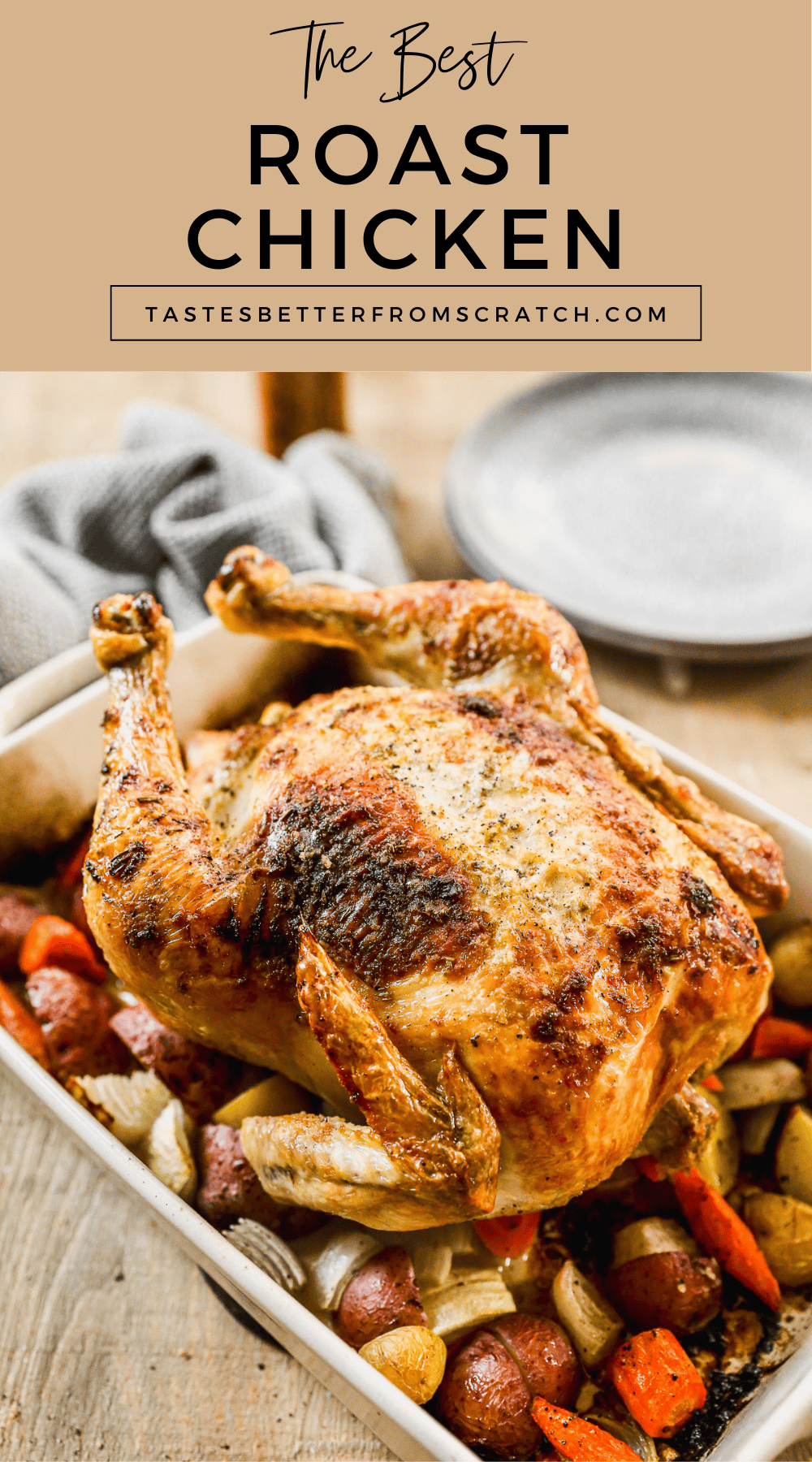
Unlock the Secrets to Masterful Moist Roasted Chicken
Imagine a whole roasted chicken with skin so irresistibly crispy it crackles with every bite, paired with succulent, juicy meat that practically melts in your mouth. Now, imagine making this culinary masterpiece right in your own kitchen, effortlessly, and perhaps even better than any store-bought rotisserie. This isn't a chef's secret; it's an attainable reality, and we're about to show you how to achieve the perfect simple whole roasted chicken every single time, complete with foolproof gravy and vital temperature tips.
Many home cooks find the idea of roasting a whole chicken daunting, fearing dry breasts or flabby skin. But what if we told you there's a simplified technique, inspired by culinary experts, that virtually guarantees success? This guide strips away the complexity, focusing on key principles to deliver a healthy, comforting meal that will impress your family and friends. Forget endless basting or complex trussing; we're embracing smart cooking to bring you a truly delicious roasted chicken experience.
The Science of Perfection: Crispy Skin Meets Juicy Meat
The quest for the ultimate roasted chicken often feels like a balancing act: how to achieve that coveted crispy skin without sacrificing the tenderness of the meat, especially the delicate breast? The answer lies in a brilliant, simplified technique rooted in culinary science, often credited to methods popularized by institutions like America's Test Kitchen. This approach deviates from traditional continuous roasting, employing a two-stage process that leverages temperature control for optimal results.
The initial stage involves a blast of high heat (think 450°F or even higher). This intense heat is crucial for two reasons: it jump-starts the browning process, developing that rich, golden hue, and more importantly, it rapidly dries out the chicken skin. Moisture is the enemy of crispiness, so by exposing the chicken to high temperatures, we encourage the water molecules on the surface to evaporate quickly, setting the stage for an unparalleled crisp texture. This initial burst of heat also helps to render the fat directly beneath the skin, contributing to its crunch and flavor.
However, sustained high heat can lead to dry meat, particularly the breast. This is where the genius of the second stage comes in. After a relatively short period at high temperature (typically around 25-30 minutes for a 4-pound bird), the oven is turned off, and the chicken is left to finish cooking using the residual heat. This gentle, indirect cooking allows the internal temperature of the chicken to rise slowly and evenly, preventing the outer layers from overcooking while the center catches up. The result? Incredibly moist meat throughout, from breast to thigh.
Temperature is Your True North: When roasting a simple whole roasted chicken, abandoning the clock and embracing an instant-read thermometer is perhaps the most critical advice you'll ever receive. According to the USDA, all poultry must reach an internal temperature of 165°F for food safety. For optimal texture, particularly for dark meat like thighs and drumsticks, aiming for 180°-185°F can enhance tenderness without drying out the meat. Breast meat, however, is best at precisely 165°F. The beauty of the two-stage, oven-off method is that it helps the darker, thicker parts reach their ideal temperature without overcooking the more delicate breast. Always insert your thermometer into the thickest part of the thigh, avoiding the bone, for the most accurate reading.
Elevating Flavor: Essential Ingredients & Aromatics
While the cooking technique is paramount for texture, the right ingredients and aromatics are what truly make your simple whole roasted chicken sing with flavor. Forget bland, uninspired poultry; a few carefully chosen additions can transform your bird into a gourmet experience.
- The Chicken: Start with a fresh, whole bird, typically between 3 to 4.5 pounds. This size is ideal for even cooking and fits well within the "one hour" type recipes. Remember to remove any giblets or the neck from the cavity before you begin.
- Aromatics for the Belly: This is where the magic happens, infusing the chicken from the inside out. Stuff the cavity with halved lemons (which lend a bright, tangy scent), several cloves of garlic (don't even bother peeling them if you're stuffing!), and a generous handful of fresh herbs. Thyme, rosemary, sage, and parsley are classic choices that release incredible fragrance as they roast, making your entire house smell utterly delicious.
- The Skin's Best Friend: Melted butter or good quality olive oil. Brushing the chicken liberally with melted butter not only aids in achieving that gorgeous golden-brown color and crispy texture but also contributes to a rich, savory flavor. For an extra punch, consider mixing your favorite dried herbs or a pinch of lemon pepper seasoning into the melted butter before brushing.
- Simple Seasoning: Don't underestimate the power of coarse salt and freshly ground black pepper. Applied generously over the buttered skin, these basic seasonings are fundamental for taste. Beyond that, a sprinkle of fresh thyme leaves or a dash of paprika can add extra visual appeal and subtle flavor notes.
Before any seasoning or buttering, ensure your chicken is thoroughly patted dry with paper towels. This crucial step removes surface moisture, which is key to achieving that perfectly crisp skin we're aiming for. A dry surface allows the skin to crisp up rather than steam, giving you superior results.
Step-by-Step: Crafting Your Simple Whole Roasted Chicken
Ready to bring this masterpiece to life? Follow these straightforward steps to achieve a juicy, crispy simple whole roasted chicken that will become a staple in your kitchen.
Preparation is Key:
- Pat Dry & Prep: Remove the chicken from its packaging and pat it thoroughly dry inside and out with paper towels. This is non-negotiable for crispy skin. Remove giblets and neck from the cavity if present.
- Stuff the Cavity: Stuff the chicken's cavity with your chosen aromatics: halved lemon, several unpeeled garlic cloves, and fresh herbs like thyme, rosemary, or sage.
- Season Liberally: Place the chicken in a roasting pan or on a baking sheet. Brush the entire surface generously with melted butter or olive oil. Then, season liberally with salt, black pepper, and any additional herbs or spices you prefer.
- Trussing (Optional): Tying the legs together with kitchen twine is purely for aesthetics, helping the chicken hold a compact shape and brown more evenly. It's not essential for taste or doneness.
The Roasting Process:
- Preheat Oven: Preheat your oven to a high temperature, around 450°F (230°C).
- Initial High Heat Roast: Place the prepared chicken in the hot oven. Roast for approximately 25-30 minutes. During this time, the skin will begin to brown and crisp up. For a 4-pound chicken, you're aiming for an internal temperature of around 120°F (49°C) in the thickest part of the thigh at this stage.
- The "Oven Off" Finish: Without opening the oven door, turn off the oven completely. Leave the chicken inside for another 30-40 minutes. The residual heat will continue to gently cook the chicken to perfection, ensuring moist meat without over-drying.
- Check for Doneness: After the "oven off" period, carefully remove the chicken from the oven. Insert an instant-read thermometer into the thickest part of the thigh (avoiding bone). It should read 165°F (74°C) for safety, and ideally 180-185°F (82-85°C) for optimal dark meat texture. If it hasn't reached temperature, return it to the still-warm oven for another 5-10 minutes, checking again.
- Resting is Crucial: Transfer the chicken to a cutting board and tent it loosely with foil. Let it rest for at least 10-15 minutes before carving. This allows the juices to redistribute throughout the meat, resulting in an even more tender and flavorful chicken.
Whip Up a Quick Gravy:
No roasted chicken is complete without a rich, savory gravy. Fortunately, making a quick pan gravy from the drippings is incredibly simple and adds immense value to your meal. After you've removed the chicken to rest, place the roasting pan directly on your stovetop over medium heat (if it's stovetop-safe). Pour off most of the fat, leaving about 1-2 tablespoons of drippings and any browned bits. Whisk in 1-2 tablespoons of flour or cornstarch to create a roux, cooking for a minute. Slowly whisk in 1-2 cups of chicken broth, scraping up any delicious browned bits from the bottom of the pan. Bring to a simmer, whisking until thickened. Season with salt and pepper to taste. For a silky-smooth gravy, strain it through a fine-mesh sieve before serving.
For another fantastic one-hour method, check out our guide on Simple One-Hour Roast Chicken: Juicy & Crispy Every Time, or discover why homemade is truly One-Hour Whole Roasted Chicken: Better Than Store-Bought Rotisserie.
Troubleshooting & Expert Tips for the Perfect Roast
Even with the best techniques, a few tips can elevate your roasting game and troubleshoot common issues when making your simple whole roasted chicken.
- Oven Calibration: Every oven is different. Investing in an inexpensive oven thermometer can help you ensure your oven is truly heating to the temperature you set. An inaccurate oven can significantly impact cooking times and results.
- Soggy Skin Culprits: If your skin isn't as crispy as desired, revisit two factors: ensure you're patting the chicken dry thoroughly before roasting, and check your oven's initial high heat. Not enough initial high heat can prevent proper crisping.
- Dealing with Uneven Cooking: If one side of your chicken consistently browns more than the other, simply rotate your roasting pan halfway through the initial high-heat cooking stage.
- Serving Size Wisdom: When planning, a 3-pound chicken typically yields 3-4 servings, while a 4-pound bird will feed 4-6 people. Always account for some waste (bones, skin) when estimating. A good rule of thumb is ½ to 1 pound of uncooked chicken per person.
- Beyond Basic: Once you've mastered this classic method, don't be afraid to experiment! Try different herb combinations, dry brining for extra moisture, or exploring a spatchcock (butterfly) chicken technique for even faster cooking and maximum crispiness.
Mastering a simple whole roasted chicken is a fundamental skill for any home cook, transforming an ordinary meal into an extraordinary culinary delight. By focusing on temperature control, utilizing a smart two-stage roasting method, and embracing the power of fresh aromatics, you can consistently achieve a bird with glorious crispy skin and unbelievably juicy meat. Forget the guesswork and the fear of a dry bird; with these tips, you're not just cooking a chicken, you're creating a memorable experience. So grab your thermometer, preheat your oven, and prepare to enjoy the healthy, comforting taste of homemade perfection!
